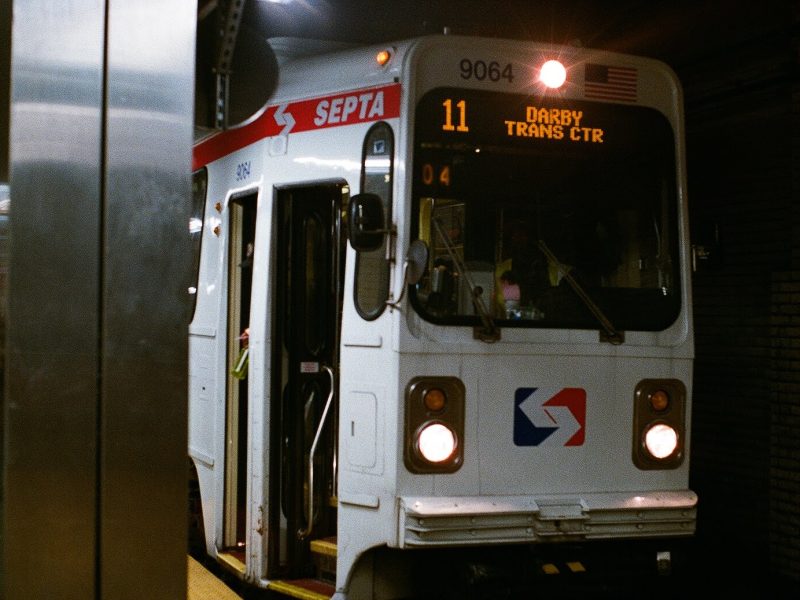
Last week, the SEPTA board voted to approve the “Bus Revolution” and began its hearings on its operating and capital budget. What does it mean for riders?
To be clear, no one knows what the “Bus Revolution” means other than that some riders will lose their routes and have longer wait times, while others will get new routes and lessen their wait. SEPTA is not adding more service hours, so every addition comes from subtracting from other riders.
The SEPTA board heard from riders and then, without any discussion, rolled the vote on the Bus Revolution into a “consent calendar”. The board voted unanimously to spend millions of dollars on no-bid and bid contracts and the list of “tariff changes,” which defines the “Bus Revolution.” The tariffs eliminate some routes, add others, and change routes and wait times. The proposal passed can be found on SEPTA’s Bus Revolution web page. It is very difficult to understand what the proposed changes mean. For example, on the web page, if you click on Route 45, you will see it lists two lines traveling North on 11th Street, route 45 (568) and Route 45 (568) A. Clicking on the routes to see what it means, you find: “The line doesn’t run service during the selected service period.” There may be a way to understand what the “Revolution” means for your ride. But even if the changes voted upon were clear, there would still be three unresolved critical issues that may drastically change what was passed.
SEPTA’s General Manager, Leslie Richards, indicates that changes can and may be made. “As we work toward implementation, we will continue to listen to our riders and stakeholders to ensure that our network provides equitable access for all.”
The shortage of bus operators will make it impossible for SEPTA to provide the service promised in the “Bus Revolution”. While it is still being determined how many more bus drivers are needed, SEPTA revealed in its public hearing testimony that it was cutting bus service because it doesn’t have the drivers needed. It also acknowledged it didn’t know when SEPTA would have the required operators so it could fully run the system. GM Richards told the Philadelphia City Council that they would not have the needed drivers this fiscal year and that she hoped to return to Council in 2025 and say SEPTA is close to having the numbers it needs.
And, of course, the danger that SEPTA will not get the money it needs to continue to operate, even at the lower levels they have established. SEPTA says it is lobbying for Governor Shapiro’s budget, which will provide SEPTA with the money it needs. It even hired “the “counsel of choice for state Republicans,” Attorney Haversack, and is supporting the Republican Party’s attempt to disenfranchise Philadelphia voters with Philadelphia rider’s money.
One SEPTA board member, Daniel Muroff, addressed the riders from Philadelphia who went to Harrisburg to lobby for SEPTA’s needed funding. Missing, at least from the public lobbying, were all the Pennsylvania companies that get SEPTA contracts, environmental groups, SEPTA’s own workers, union workers from Philadelphia who rely upon SEPTA to get to work, and driver’s organizations, like AAA, to let the PA legislature know just how many constituency SEPTA serves.
The bus revolution, as amorphous as it is, as challenged as it is, and as diminished as it is by SEPTA’s failure to hire the needed number of operators, reflects many of the changes riders demanded.
Once the out-of-state “consultants” left with their paychecks, the idea of forcing people to use the subway or EL, increasing the number of transfers, and disregarding the rider’s preferences ended. SEPTA’s staff has met with community groups across the city, council members, and advocates to improve the plan the consultants saddled them with.
The plan, however, does not address the most severe issues facing SEPTA. Changing the bus routes doesn’t change SEPTA’s funding formulas, doesn’t create more bus drivers, and does nothing to address the problems most responsible for slow service, congestion on the roads. It is almost as if SEPTA is saying we can’t fix the significant issues, but we can announce new routes. Looking at other systems that have tried similar tactics provides a cautionary tale.
Like SEPTA, the New Orleans Transit System had severe structural problems, old buses, and insufficient mechanics to keep the buses running. Instead of addressing those issues, the New Orleans system “re-designed” its routes. Because it failed to focus on its most significant problems, it had to cut service on 50% of its bus service, drastically increasing wait times and service disruption because it could not keep the buses on the roads. Even on the routes “re-designed by the experts.”
Redoing the routes doesn’t eliminate SEPTA’s challenges. It simply adds more tasks for SEPTA’s staff, taking money, time, and expertise away from the most critical issues.
Our reporters sit through hours of city council meetings, dig through piles of documents, and ask tough questions other media overlook. Because we’re committed to addressing Philadelphia’s poverty crisis — and challenging those who sustain it. If you think this work is important too, please support our journalism.
We’re counting on readers like you.