On March 31, all Philadelphia real estate taxes are due. Real estate taxes, unlike the wage tax, go to both the city and the school district. The wage tax doesn’t tax income that comes from stocks and bonds, real estate speculation, and other “non-wage” income. The amount charged is a straightforward 3.74%, and that’s set every year by the Philadelphia City Council.
The real estate tax is more complicated. The amount owed is the tax rate of 1.4% multiplied by what an assessor says the house is worth. It also subtracts any abatement for new construction, and any government program — like the homestead exemption, which is now $100,000. For example, a row home assessed at $250,000 — if it had the homestead exemption and a new kitchen worth $25,000 — would pay real estate taxes on $125,000 for a total of $1,750.
Unlike the wage tax, real estate taxes can — and do — go up without any elected official voting to increase taxes.
The city gets three benefits from the increased real estate taxes. More money for the city, more money for the school district, and the legal right to borrow more money without the voters’ approval. The amount the city can borrow without a ballot question is based on the assessment of taxable real estate over the previous 10 years.
The ability to borrow without asking citizens for approval increases when assessments are raised. For our elected officials, having the assessors raise taxes gives them the ability to avoid responsibility and spend more money without the public’s approval.
The office of property assessment publishes a 20-page report explaining how it determines what a house is worth.
- OPA typically considers a number of factors, including:
- Size and age of a property
- A property’s location and condition
- Recent sales of similar properties in the area, taking into account differences between properties sold and the property being assessed.
One factor not included but important to Philadelphians is the school catchment area.
Philadelphia City Controller Christie Brady states that in the last five years, “the median assessment for single-family residential properties has increased by 31%.”
There are several different programs to help people afford the rising real estate taxes. Only one, the homestead exemption, is open to every owner-occupied property. All one has to do is apply. You can apply by using the homestead exemption application at the Philadelphia Tax Center.
It saves everyone $1,400 a year, every year. Despite the savings, the Pennsylvania Economy League estimates only 70% of the eligible homeowners receive it.
The other programs are income-based and can be found here.
There are two other ways to fight an increase in assessment: a first-level review and a formal hearing. The city’s web page only lists the formal hearing process. The only way to request a first-level review is to read the letter enclosed with the notice that says: “This Is Not A Bill,” and return the form.
The formal hearing is held before a well-paid seven-member board that works part-time.
To investigate the process, I filed a formal complaint and waited over a year for the hearing. During that time, I received no information from the assessor or board. On the day of the hearing, despite the Mayor’s order, not a single member of the board appeared in person. They were all virtual.
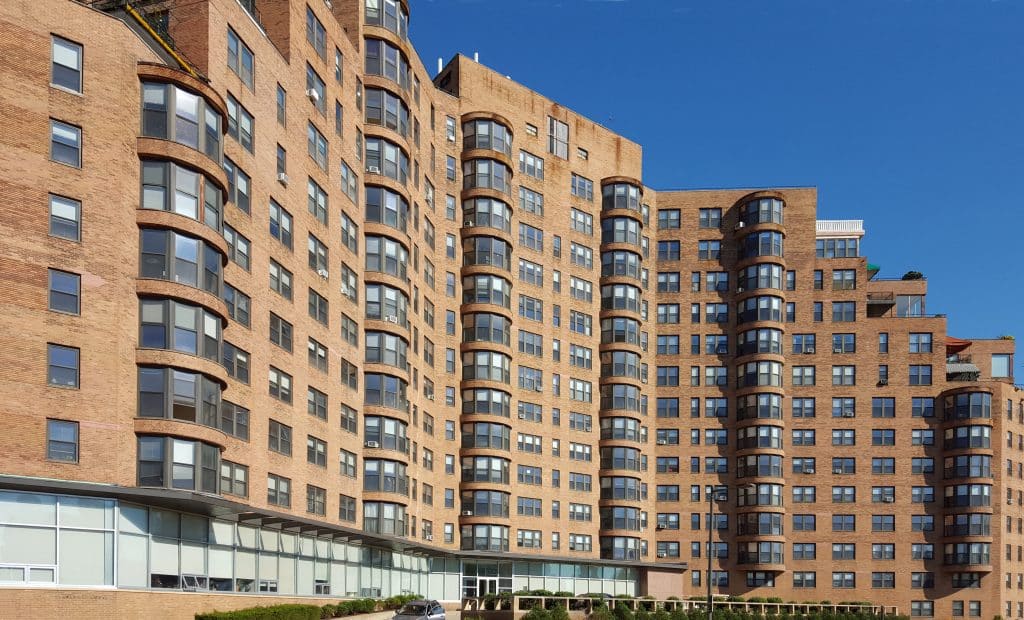
I was placed in front of a computer screen. At the beginning of the hearing, I was given, for the first time, seven pages titled “Summary Appraisal Report,” which included three comparisons. I was required to respond without the opportunity to review the document. The assessor never visited my condo unit. The number of bedrooms listed was wrong. When I asked why I wasn’t given the evidence before the hearing, which amenities were listed at the building as comparables, and 14 other questions, the board chair ordered a continuance, requiring me to return, instead of allowing me to “make my case.”
After I raised my objections, the assessor inspected my unit and confirmed it has two bedrooms, not the three listed on the forms. I submitted 11 comparables before the new hearing. At the new hearing, the assessor introduced additional documents without providing me with an advance copy. I could not both participate and read the new documents. The assessor admitted there were two bedrooms, but said there could be three, so she counted it as three. The board chair refused to provide the city’s definition of a bedroom.
The assessor claimed, on the record, that the quality of the local school and the catchment area did not matter when it came to real estate value. I asked that the assessor be disqualified as an expert on the basis of that statement. I did not receive an answer.
When I complained that the board was not allowing me to put forth my case, my microphone was turned off and the hearing was ended.
Weeks later, I received two words — “Appeal denied.” No information on the board’s vote, no explanation for why they ignored the comparisons I sent, no explanation for why the school catchment area didn’t matter.
I received an email from the board’s executive director implying that, because I wasn’t sufficiently servile, I was punished with higher property taxes. She wrote: “I find that appellants who show up to their hearings argumentative and combative never feel like they get a fair hearing.” A truly despotic suggestion — the way to win a fair assessment is to grovel before those in power.
Before the next citywide reassessment that will force still another tax increase on homeowners, council members who care about the pressure of rising property values could investigate the board of review’s process.
Our reporters sit through hours of city council meetings, dig through piles of documents, and ask tough questions other media overlook. Because we’re committed to addressing Philadelphia’s poverty crisis — and challenging those who sustain it. If you think this work is important too, please support our journalism.
We’re counting on readers like you.