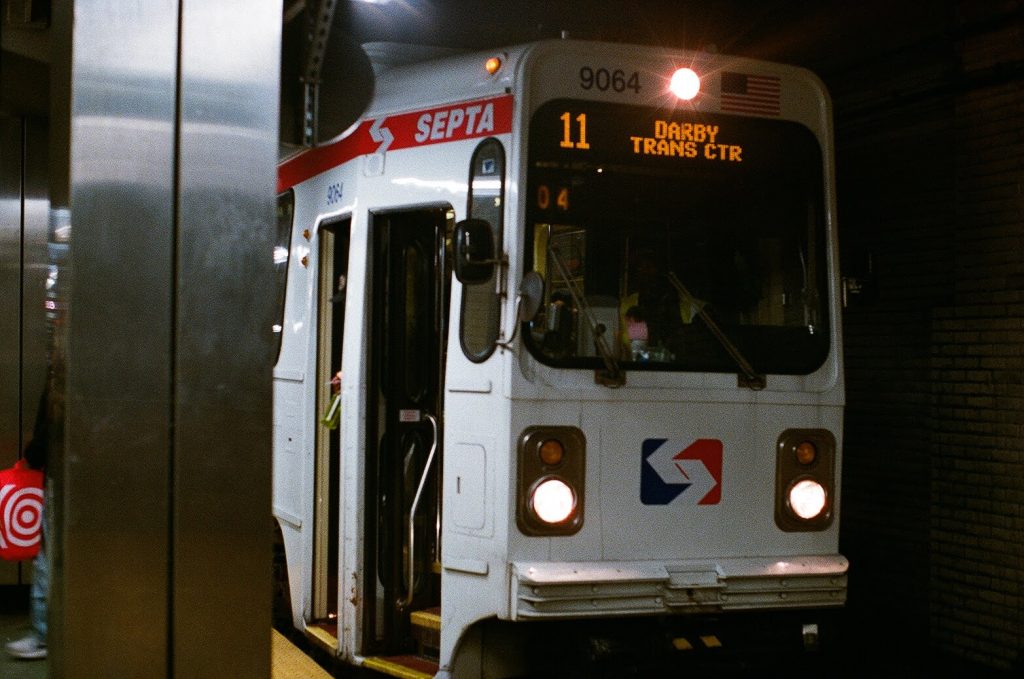
This Thursday at 3 p.m., at 1234 Market St in Philadelphia, SEPTA will vote on its “Annual Service Plan.” The service plan marks the beginning of the “New Bus Network,” a plan formerly known as the “Bus Revolution.” While offering improved service to some, it will force over 25,000 riders a day to wait longer for service.
SEPTA is marketing the New Bus Network as a redesign to meet today’s travel patterns. SEPTA claims wait times will go down and there will be more service on nights and weekends. During the hearing on the service plan, SEPTA’s witnesses admitted it had failed to list the cuts and additional wait times in the promotional material.
Some people will see shorter wait times. Most will see longer wait times. It will be easier for some people to use the system. Others will lose their buses. In many cases, SEPTA has helped developers, like the Pennsylvania Industrial Development Corporation (PIDC), at the expense of riders who will have to wait four times as long for a bus. SEPTA did not post any notices on buses indicating that wait times would increase by 300%, or on routes that will be eliminated. In its public relations campaign heralding the “New Bus Network” as an improvement to the system, SEPTA did not explain that while some would get shorter wait times, more would be forced to wait longer. Few riders know what is coming.
For example, SEPTA’s new bus system cuts service on Broad, 11th, and 12th Streets. In Philadelphia, the areas losing the most service are the ones growing fastest in population and density, where, if SEPTA were frequent and dependable, people would not need a car.
The argument for cutting the bus on Broad Street from every 16 minutes to once an hour after 9 p.m., is that people can ride the subway or routes 2, 16, or 45. SEPTA also said it will cut the service on Route 45 from every 20 minutes to once an hour after 9 p.m. Seven routes will be eliminated. The listed alternatives are not viable for many riders. Not all stops on the Broad Street line are accessible, easy for older people to use, and as physically safe as the buses. Many of the alternative buses listed are also losing service.
SEPTA argues that it must make riders wait longer because it doesn’t have the money it needs. Asked directly how much it would cost to keep the service at the same level and avoid having people riding on Broad Street wait an hour for a bus, SEPTA said it did not know.
The same hearing examiner who stated last year that SEPTA had no choice but to cut 45% of the service presided over the hearings on the Annual Service Plan. She announced she would issue a report and make recommendations before the board meeting. If she has, the report is being kept secret as of today. It is not listed on SEPTA’s website under the hearing examiner’s reports.
SEPTA will need additional funding next year. But for service this year, SEPTA has more than enough to maintain current service levels. Instead, SEPTA is spending millions of dollars on a new “key card” that could be used this winter, so people will not have to wait in the cold.
In January of 2025, SEPTA began spending money on a new key card. SEPTA’s management of the key card has been disastrous. The original card was over two years late and cost $285 million — twice its budgeted amount.
Since SEPTA decided to spend money on a new key card, it signed two contracts worth a combined $230 million with San Diego-based Cubic Transportation Systems: $211 million to build the new system, and up to $19 million to run a customer service center to support the transition for five years. Like the original key card, there are problems. SEPTA wrote: “The original project schedule anticipated Phase 1 implementation following the Notice to Proceed in June 2025, with project closeout originally targeted for 2029. . . however, challenges related to the transition from the incumbent system have required additional coordination and reassessment. SEPTA is working with its partners to redefine the implementation strategy, including scope, sequencing, and delivery approach. A revised project schedule is being developed as part of this effort and will be shared once finalized. The Key 2.0 project is budgeted at $240 Millon. As of 5/15/2026, SEPTA has expended $24 Million.”
If SEPTA asked riders if they would rather wait longer for a bus so more money can be spent on a new key card, perhaps some would say: “Please eliminate buses for a new card, that may not work.” But it is unlikely. Most would say keep the buses rolling and wait for Harrisburg to fully fund SEPTA before risking hundreds of millions on a new key card.
Our reporters sit through hours of city council meetings, dig through piles of documents, and ask tough questions other media overlook. Because we’re committed to addressing Philadelphia’s poverty crisis — and challenging those who sustain it. If you think this work is important too, please support our journalism.
We’re counting on readers like you.