Just because you build it, doesn’t mean they can come.
Not if the door is locked. Not if the staff aren’t there.
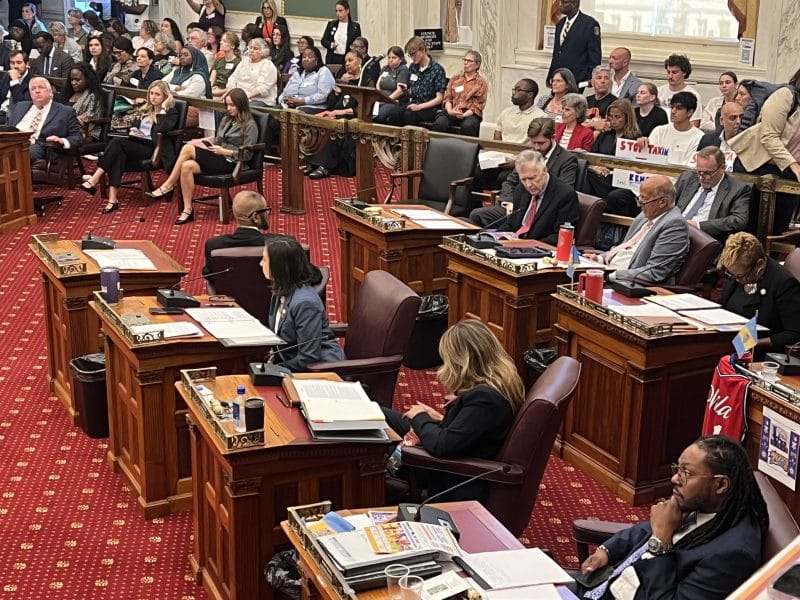
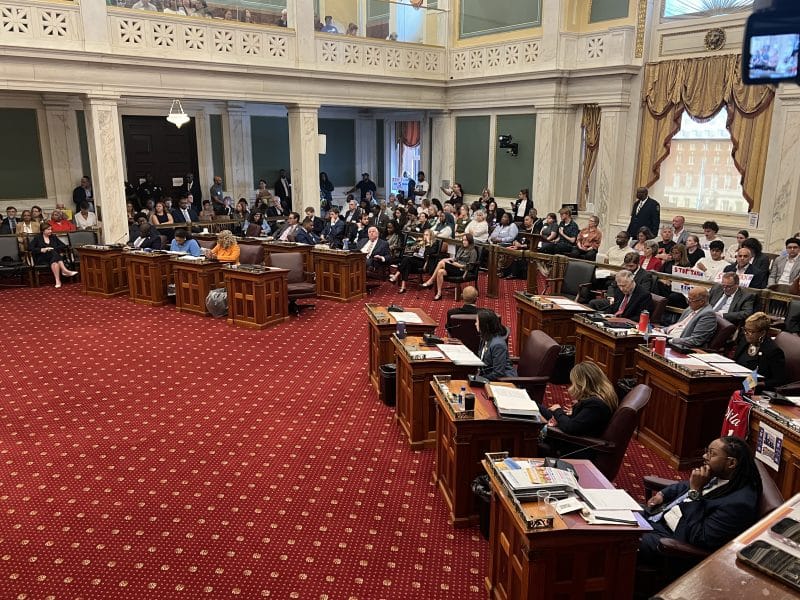
That was my takeaway from Monday’s Committee on Parks Recreation and Cultural Affairs hearing. During the hearing, which focused on staffing at recreation centers, we learned that the Department of Parks and Recreation faces the same worker shortages as the city’s schools, transit, and other services.
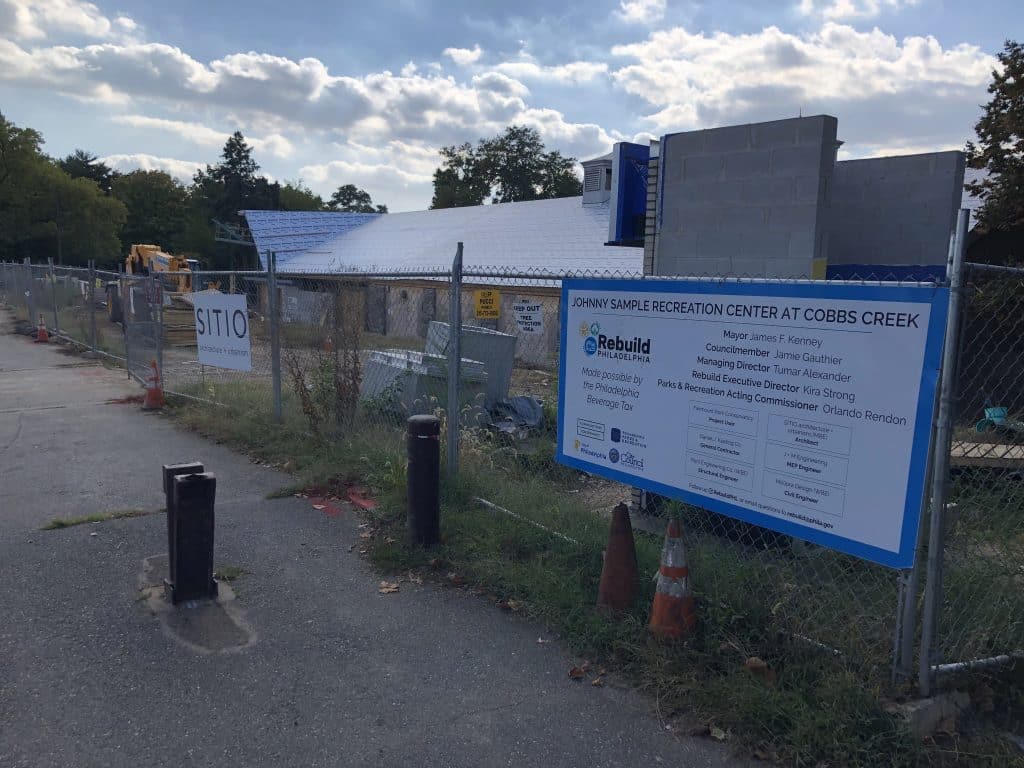
It’s never a good time to be understaffed, but the deficit is particularly notable right now. Through its ambitious “Rebuild” program, Philadelphia is spending big money to upgrade recreation centers and playgrounds. But as Monday’s hearing made clear, the rebuilds won’t do much for anyone if the city can’t staff what it builds.
“You’ve got to have the best staff if you’re going to have the best programming,” said Councilmember Anthony Phillips, the committee’s chair. “You’ve got to have staff that are innovative, that care about kids, that care about the community, that’s willing to listen to the community.”
No Philadelphian would disagree. But what Council heard this week was that like so many other city workers, Parks & Rec staff are struggling. In the memorable words of Parks & Rec supervisor Natalie Felix-DiDonato: “We are expected to make lemonade out of rocks, yet somehow we do it.”
Brett Bessler, a former rec center leader, and current union official, shared data with the Council that painted a sobering picture of a badly understaffed department. “Overall, Philadelphia Parks & Recreation has a 28 percent vacancy rate,” Bessler, a vice president with AFSCME District Council 47, told the committee. “The staff that run our recreation centers, the vacancy rate is 32 percent. Our custodial vacancy rate … 57 percent. How are we going to have clean facilities when 57 percent of our custodial positions are vacant?”
The answer: we won’t. Not clean enough, anyway.
That was the message from the host of staff and union officials who followed Bessler. They described their daily struggle to keep rec centers as welcoming as possible: cleaning trash from classrooms, sweeping up needles from playgrounds, answering phone calls about programs and schedules, wrangling volunteers, coordinating with other city departments, and mediating conflicts among young people and neighbors. “I never could have imagined some of the situations I faced every day,” said Christine Rad, a Parks & Rec program manager who spent nine years staffing various rec centers. “You have ‘rec leader’ in your title, but you have many other titles including babysitter, part-time parent, counselor, custodian, recruiter … the list could go on.” MORE THAN RECREATION Rad’s testimony reminded me that the title “recreation center” falls well short of what these buildings provide. They’re more like all-purpose community hubs.
Rad, for example, now manages rec-based workforce development programs for teenagers. Rec centers host after-school programs for children and science classes for adults. They offer programming for seniors and the disabled. During COVID they became critical distribution points for food and education support. “If we go back to the pandemic, they were basically the only safe spaces where people could gather,” Councilmember Curtis Jones said. And soon, Councilmember Rue Landau pointed out, all the city’s rec centers will be wired for even more capacity, as part of the city’s franchise agreement with Verizon.
“High-speed internet is coming to 183 rec centers,” Landau told Bessler. “We want to make sure your staff can utilize that.”
Bessler’s answer: we’d love to, but we’ll need help. He called for a “task force” to coordinate a citywide effort to make rec centers work better. Council heard many other suggestions for improvements: a faster, smoother hiring process, centralized coordination for volunteers, better coordination with police, more conflict-resolution training for staff, more social support programs in general, and in particular, more offerings centered on mental and behavioral health.
But Susan Slawson, the head of the Department of Parks and Recreation, told Council to be careful about overextending the rec centers’ brief. “Turning rec centers into social service centers could result in mission creep,” Slawson said. Slawson’s mission for the department, she said, is to make sure rec centers can deliver on the promises that carried Mayor Cherelle Parker to victory. “My three priorities line up with the mayor’s – clean, green and safe,” Slawson said. All three are a challenge, Slawson said, particularly the latter. “There is work to do to make our facilities safer,” she said.
Rec center staff echoed those concerns, sharing stories of dim lights, missing security cameras, and slow response times from police. They also told of fights and violence spilling in from the neighborhoods, traumatizing staff and residents alike. Their stories reminded me of what I heard from teachers and staff at the public schools I covered for WHYY News and the Philadelphia Public School Notebook: if it happens in the community, it happens in the facility. Our city is full of violence, disruption, and trauma, and some of it inevitably lands on every rec center’s doorstep, whether the staff is ready to handle it or not. “One day this summer at our pool, we had a young girl nearly drown,” said Kelly Fasano, a rec leader at the Jardel Rec Center in North Philadelphia. “The incident left our staff shaken … the next day we were back on duty without any real opportunity to process what we’d experienced.”
SLOW PROCESS SLOWS HIRES
That kind of trauma is part of what creates those vacancy rates, Council was told. In some cases, rec center staff decline promotions that would take them to new locations where they don’t feel safe. “Some of our more challenging neighborhoods are hard to staff,” said Marissa Washington, a deputy commissioner for Parks & Rec. “Folks will decline a promotion based on where they are asked to go.”
That caught Councilmember Cindy Bass’s ear. “If people are turning down a promotion because of the location, that’s saying something,” she said.
But the biggest factors behind the vacancy problem, Council heard, are the relatively low pay, and a long, slow city process that can leave applicants waiting weeks or months for interviews. That means the best candidates often take other offers, leaving rec centers to fill gaps with volunteers or part-time “seasonal” hires.
“There comes a time when we’re almost burnt out. Because there are so many steps we need to make to bring staff into the centers,” said Jameele Mitchell, a union official and former staffer at North Philadelphia’s Martin Luther King Rec Center.
One thing was clear from the hearings: Council members want the rec centers to do more, not less. Jones called for better organization of volunteers. Landau wants to see all program offerings posted online. Councilmember Jeffery Young wants clearly posted and consistently honored operating hours so no one faces a locked door. And committee chair Phillips, who has been touring rec centers, wants brighter lights. “We don’t have the bright LED bulbs,” he said. “We have all these dark spaces.”
Phillips promised to use what he’s learned from Monday’s hearings to help shape a better budget, and plans for more hearings in front of the full Council.
But for now, as “Rebuild” steams ahead, the city’s hiring process is clearly lagging behind. Renovations are planned or underway at 24 rec centers and 22 playgrounds. Those upgrades are long overdue, and the results may be magnificent, but another lesson I took from covering schools: building stuff is easy. Keeping it staffed is the hard part. Even the finest of rebuilt rec centers will fall short of their promise if the city can’t support them adequately.
Our reporters sit through hours of city council meetings, dig through piles of documents, and ask tough questions other media overlook. Because we’re committed to addressing Philadelphia’s poverty crisis — and challenging those who sustain it. If you think this work is important too, please support our journalism.
We’re counting on readers like you.