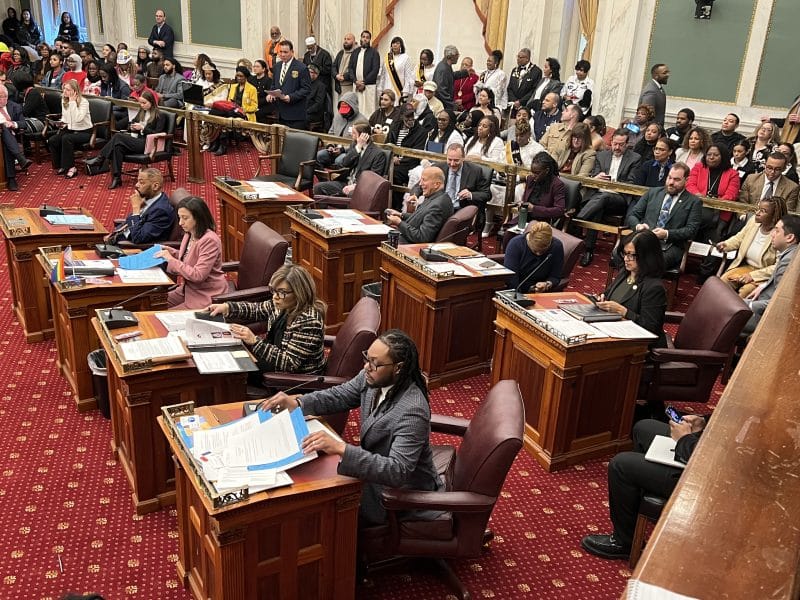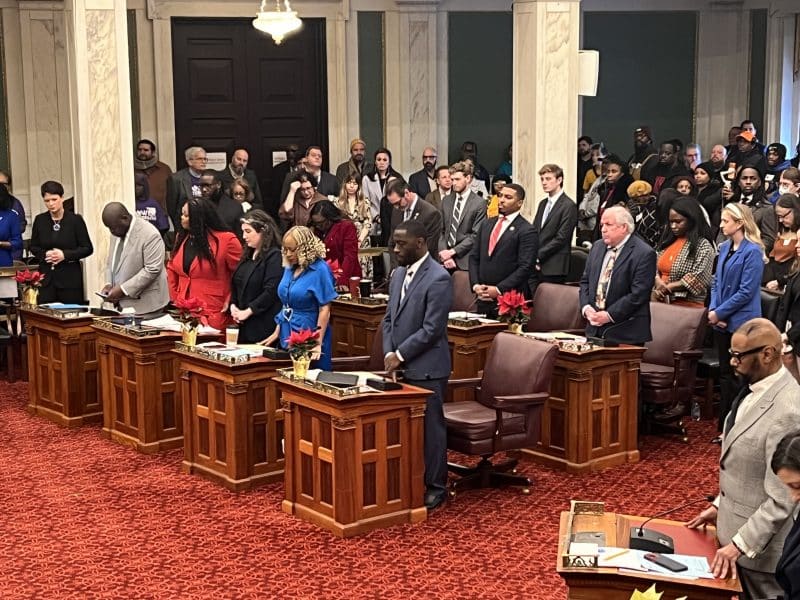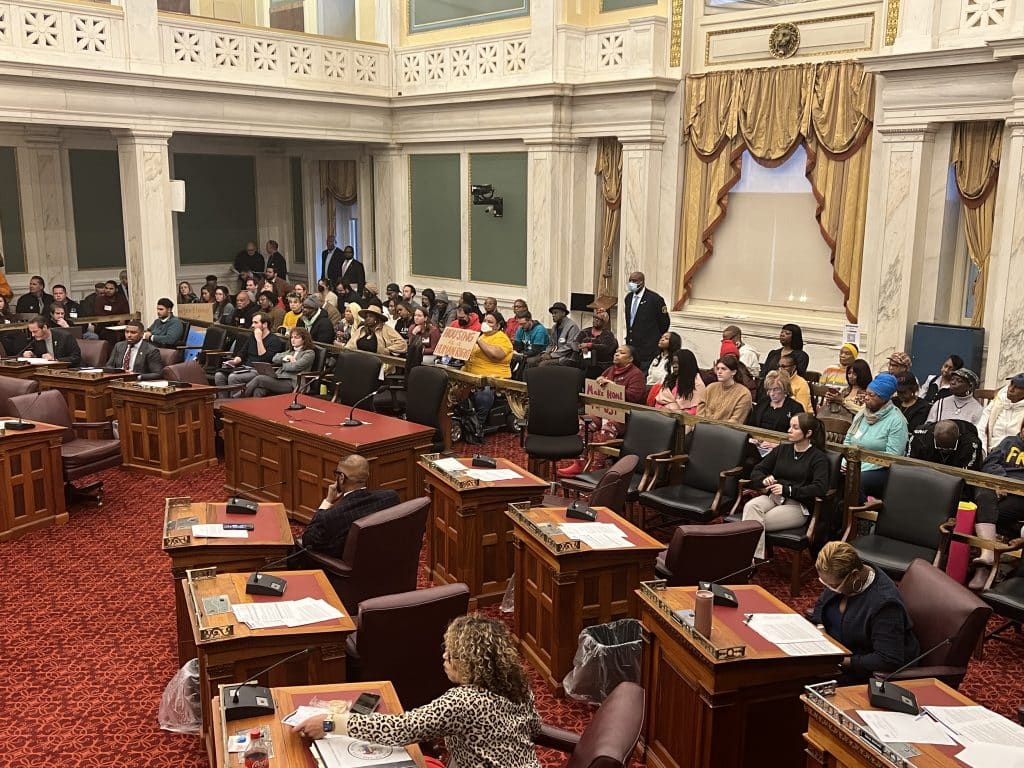
Councilmember Quetcy Lozada introduced a resolution “authorizing the Committee on Housing, Neighborhood Development, and the Homeless to hold hearings to examine the Office of Property Assessment, its assessment methodology, appeals process, and the impact of rising property assessments and property taxes on Philadelphia residents.”
According to the resolution, 26% of homeowners are “housing burdened,” spending more than 30% of their income on housing. Rising property taxes contribute to the issue, particularly in the last few years as delayed assessments have led to three years worth of property tax increases occurring in one year.
Compounding the rising property tax burden is rapid development, inflation, and higher living costs that create increased pressure on homeowners living near or below the poverty line. And once property taxes rise, homeowners must navigate a counterintuitive appeals process that can take years to complete.
Hall Monitor Consumer Reporter Lance Haver recounted his experience with his OPA appeal in a recent piece.
Lozada Wants Firearm Hearing
Lozada also introduced a resolution “authorizing a joint hearing between the Committee on Public Safety and the Committee on Parks, Recreation and Cultural Affairs to examine the presence of firearms in public recreation spaces, the enforcement of existing laws, and strategies to reduce gun violence in parks and playgrounds across the City of Philadelphia.”
Despite a recent drop in the city’s homicide rate, with 2025 declining to the lowest level in 60 years, the city still recorded 935 shooting victims. Nearly 40% of these shootings occurred in 12 Philadelphia neighborhoods. Younger Black males are disproportionately impacted, with one in eight Philadelphia Black males either being shot or killed before the age of 25, according to information from the University of Pennsylvania.
According to the resolution, 300 incidents of gun violence occurred at city parks and recreation facilities between 2019-2022. Despite firearms being banned at City facilities, public health and criminal justice research “indicates that gun-free zone policies, signage, and posted restrictions alone are insufficient in preventing firearms from entering public recreation spaces, but when these initiatives are combined with other violence prevention strategies like consistent enforcement, community engagement, and prevention strategies, gun violence can be reduced.”
Law and Government Committee Holds Hearing on Tangled Titles
The Committee on Law and Government heard testimony on Resolution No. 260029, which authorized the “Committee on Law and Government to hold a hearing on the process to resolve a tangled title in the City of Philadelphia.”
Tangled titles, which have long been an issue in the city, occur when a home is passed from one family member to another, but the deed does not reflect the change in ownership. This can cause serious issues for the new occupant, including problems with taxation and possible deed theft.
To combat the ongoing problem, the Office of the Register of Wills created the Title Clearance Unit.
“The Title Clearance Unit helps people help themselves,” Register of Wills John Sabatina said at the hearing. “It helps residents move from probate to ownership by coordinating legal assistance.”
To date, the Title Clearance Unit has cleared 118 titles over the last year, according to information presented by the Register of Wills. It is estimated that thousands of Philadelphia deeds have tangled titles.
This article is a part of Every Voice, Every Vote, a collaborative project managed by The Lenfest Institute for Journalism. The William Penn Foundation provides lead support for Every Voice, Every Vote in 2024 and 2025 with additional funding from The Lenfest Institute for Journalism, Comcast NBC Universal, The John S. and James L. Knight Foundation, Henry L. Kimelman Family Foundation, Judy and Peter Leone, Arctos Foundation, Wyncote Foundation, 25th Century Foundation, Dolfinger-McMahon Foundation, and Philadelphia Health Partnership. To learn more about the project and view a full list of supporters, visit www.everyvoice-everyvote.org. Editorial content is created independently of the project’s donors.
Our reporters sit through hours of city council meetings, dig through piles of documents, and ask tough questions other media overlook. Because we’re committed to addressing Philadelphia’s poverty crisis — and challenging those who sustain it. If you think this work is important too, please support our journalism.
We’re counting on readers like you.