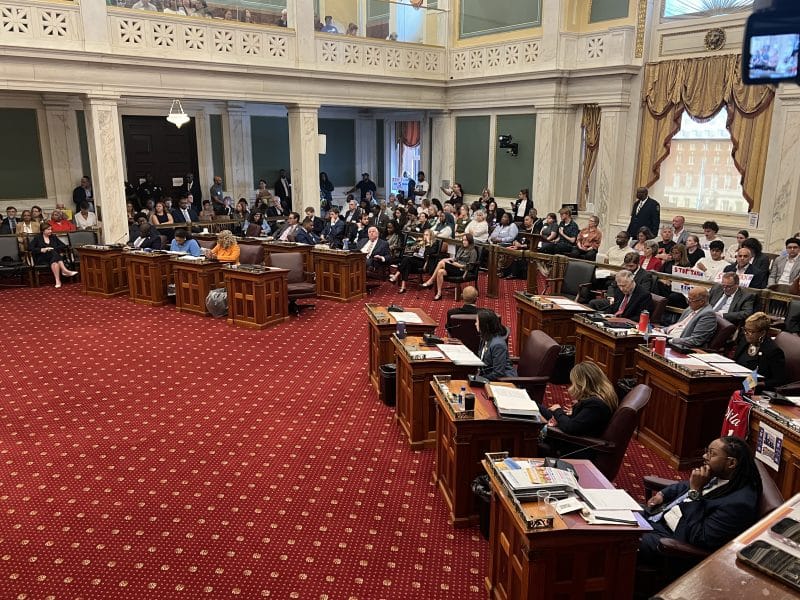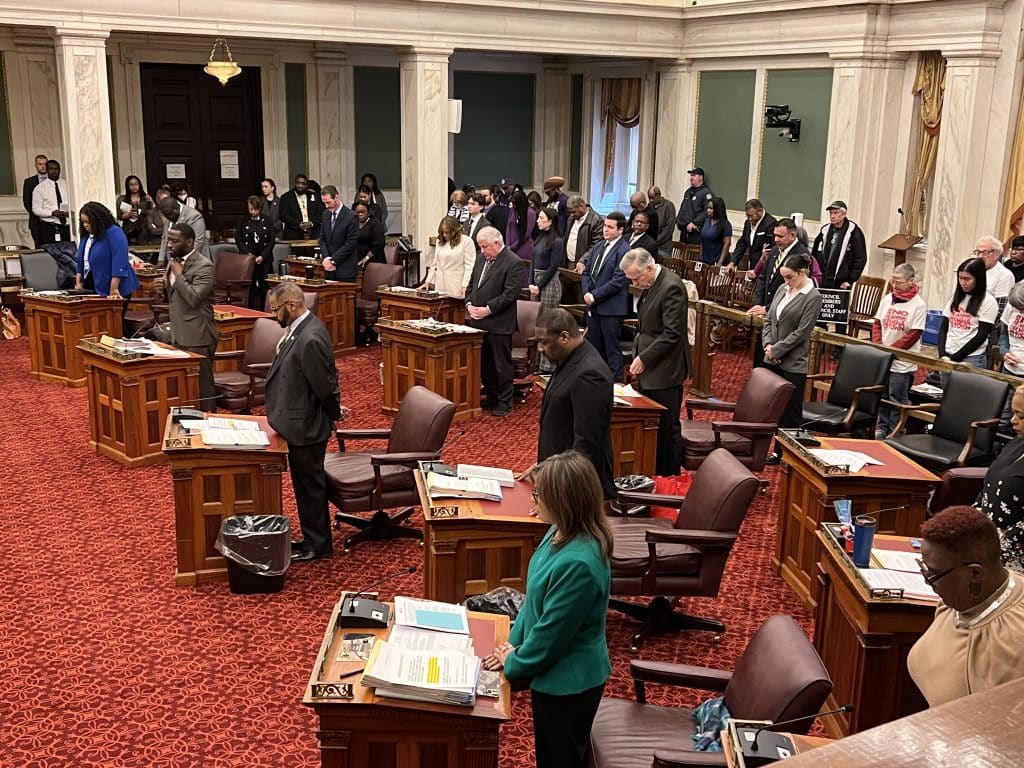
Philadelphia City Council’s Committee on Education met to discuss Isaiah Thomas’ resolution to hold a hearing relating to “systemic biases in oversight that create inequalities between Black and white-led charter schools.”
Thomas said the impetus for the hearing was the number of Black-led charter schools closing while praising the experience the schools offer.
Read More
“(The Black charter experience) should be preserved when we’re talking about issues related to economics and poverty,” Thomas said. “Black-led institutions often are more inclined to employ Black business, hire Black facilitators, and provide quality services to Black families and Black students.”
Thomas referenced an independent report commissioned by the school district which identified ways the district had been biased against black-led charters.
The report, completed by Philadelphia law firm Ballard Spahr, came to the following conclusions:
- The School District was aware of racial disparities in its charter authorizing practices as early as 2017, but did not engage in meaningful efforts to investigate or address these concerns
- Pennsylvania’s authorizing model creates an inherent conflict of interest between the Board of Education as the authorising entity and competitor to charter schools
- The Board of Education’s use of executive sessions at crucial states of the renweal process decreases transparency in the process and engenders mistrust in the charter school sector
- The hearing officer hiring process creates a perception of unfairness
- Stanale schools encounter difficulty meeting administrative demands to comply with the framework
- While the framework is intended to provide an objective means for evaluating charter schools, it fails to provide charter school leaders and the general public with accessible details regarding charter school performance
- The use of surrender clauses mostly impacts Black-led charter schools
- Neither the CSO nor the Board of Education receive implicit bias training as part of their onboarding
- Individualized specific allegations of bias against individual charter schools were not substantiated
The report offered the following recommendations:
- The District should petition the PA General Assembly to hold hearings regarding whether certain changes to the charter school law are necessary
- The Board of Education should vary the hearing officer utilized for nonrenewal proceedings and should consider a model wherein charter schools are provided the opportunity to opine on the process
- The Board of Education should take steps to increase transparency in the charter renewal process and provide charter schools with opportunities to be heard prior to a public vote to initiate nonrenewal proceedings
- The Board of Education and CSO should implement implicate bias training and conduct audits to ensure that the discretion afforded in the framework does not result in a disproportionate negative impact upon Black-led charter schools
- The CSO should consider changes to the framework to increase accessibility, consider equity, reduce burdensome complaint requirements, and account for student improvement
- The Board of Education should outline in a public document how it intends to implement AACEC’s recommendations that were accepted by the Board.
- The Board of Education and the District should continue to evaluate its charter school renewal practices and, at a minimum, commit to conducting a periodic equity audit
School Board President Reginald Streeter said that while the report did make “several observations,” it did not find the charter renewal process improperly biased.
“While the Ballard Spahr report did not explore the reasons underlying specific charter school closures, nor finding that racial bias caused those closures, it shed important additional light and understanding on those challenges and on perceptions of the board, the charter school officer, and the authorizing process that we take very much to heart,” Streeter said.
Our reporters sit through hours of city council meetings, dig through piles of documents, and ask tough questions other media overlook. Because we’re committed to addressing Philadelphia’s poverty crisis — and challenging those who sustain it. If you think this work is important too, please support our journalism.
We’re counting on readers like you.