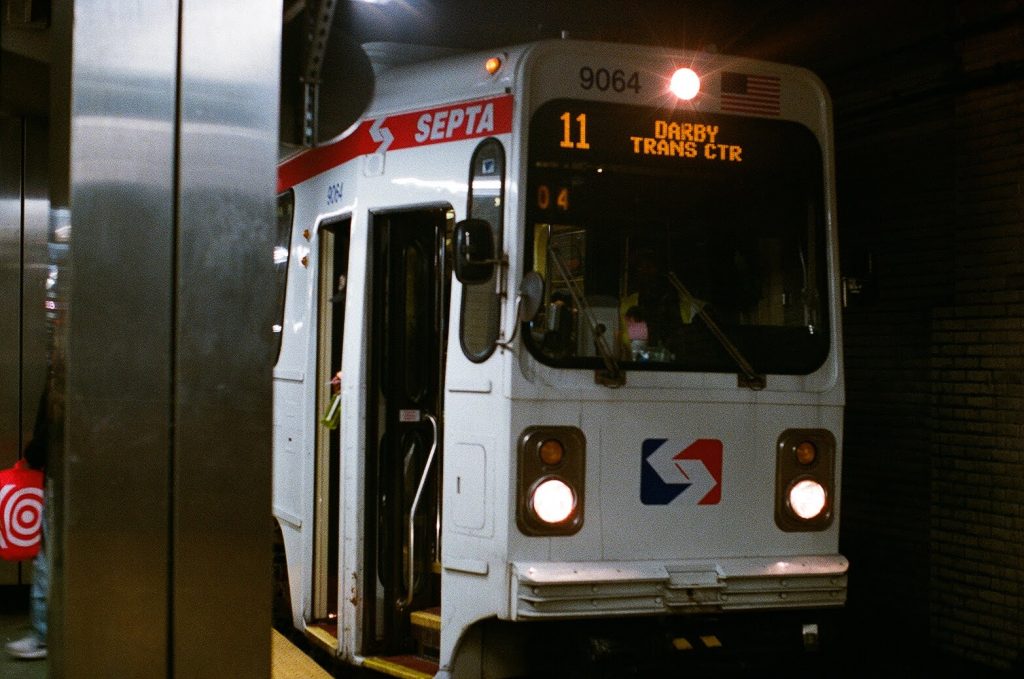
On Monday, Nov. 9, 5th Square Advocacy, Transit Forward Philly, and Transit For All PA held a discussion with SEPTA’s General Manager, Scott Sauer. The groups were filled with excitement that the Democratic Party had won the Governorship and control of the State Senate and State House, for “the Trifecta” in the most recent midterm elections.
For the past three years, those advocates had blamed the Republicans for SEPTA’s insufficient funding. The groups supported SEPTA’s 25% service cuts, claiming it wasn’t SEPTA’s decision and that the Republicans were forcing the cuts. After a court proceeding proved that SEPTA had enough money to avoid the cuts and that SEPTA made the service cuts on the first day Philadelphia Schools opened because it wanted to, the groups were silent. None issued a press release praising the judge’s order, which required SEPTA to restore the service.
Nor have any of the groups protested the service cuts instituted through the “New Bus Network” and what SEPTA’s General Manager called the “Ghost Buses.” Ghost Buses are buses that appear on the schedule but don’t run because SEPTA does not have enough bus drivers.
The crowd cheered and clapped as the General Manager spoke about what SEPTA was doing and would like to do in the years to come, depending on funding.
No one asked about the past. SEPTA wasn’t asked why it had waited so long to order new rail and subway cars — if it could have done so this past year, without any funding in place. No one asked why SEPTA no longer reports how much cash is in its “Stabilization Reserve.”
The most revealing question from the advocates wasn’t one that asked SEPTA to do anything, but one that asked SEPTA’s General Manager to tell the group what they should do. No demand for better, more affordable service. No demand for more transparency, no demand that SEPTA serve its riders better. Just a request to be told what the transit advocates should do.
Everyone in the room appeared optimistic that now that Governor Josh Shapiro had a Democratic Majority in the Senate and House, he would be able to pass a transit funding bill. No one disagreed that SEPTA needs additional money. And no one asked for the structural change that can come with the large checks.
From the small — SEPTA doesn’t know when an elevator or escalator isn’t working until someone calls because they don’t yet have a system to check on elevators or escalators — to the large — lack of democracy on the SEPTA board — the group didn’t ask for any reforms.
Here is what I hope the newly elected House and Senate will demand in exchange for new money:
- A change in the SEPTA board. Currently, 80% of the system and 80% of the local funding come from Philadelphia, yet Philadelphia has only two of the 15 seats (13.3%) on the SEPTA Board. The results mean that buses in the suburbs receive twice the subsidies that city buses do.
- A change in SEPTA’s “white collar patronage” system. SEPTA hires outside lawyers and law firms. It hired Matthew H. Haverstick, who on his website states: “He is referred to in media coverage as the ‘Counsel of choice for State Republican clients.” Haverstick represented Republicans on the Pennsylvania Senate Intergovernmental Operations Committee during its inquiry into the 2020 election, an attempt to overturn the election. SEPTA is paying Haverstick an undisclosed amount for legal services. Haverstick is not the only beneficiary of SEPTA’s spending. SEPTA also gives out millions of dollars in no-bid contracts.
- Some accountability for the millions SEPTA wasted with its “KEY Card” Contract. It cost more than twice the bid amount and is now being replaced for an undisclosed amount. What went wrong? How can we be assured it will not happen with “Key Card 2”? A monthly budget report that discloses how much cash is on hand, which contracts were paid in the previous month, and any unbudgeted spending.
- An end to punishing the unbanked — those without credit or debit cards and with not enough to put money on a key card. SEPTA refuses to sell transfers to cash-paying riders. A low-income rider pays twice as much as someone with a credit or key card.
- Checks and balances on SEPTA’s budget. Every year, by law, SEPTA holds a hearing on its proposed budget. It spends countless dollars on consultants and its own staff to argue for its spending proposals and fare structures. The hearing process should be meaningful. All other state utilities have both public hearings — where anyone can comment — and technical hearings — where questions are answered. The public, in imperfect ways, is given an advocate to contest rate hikes and demand better operations.
SEPTA needs more money. It also needs to stop giving contracts to politically-connected lawyers, allow meaningful budget hearings, and put riders above the board’s politics.
Our reporters sit through hours of city council meetings, dig through piles of documents, and ask tough questions other media overlook. Because we’re committed to addressing Philadelphia’s poverty crisis — and challenging those who sustain it. If you think this work is important too, please support our journalism.
We’re counting on readers like you.