At this point, many of the emails you receive are asking for financial support. In some ways, we are the same. We need money to keep bringing you independent news. The difference is, we are not a charity, but an investment in our city. We cover stories with expertise that no one else has.
And our coverage makes a difference. Our exposure of SEPTA’s hidden funds led to a restoration of service, our coverage of SNAP included locations for struggling families to find food, and our coverage of City Hall has allowed interested people to get to hearings where they can tell our government what they think — the very basis of democracy.
We cover the challenges independent journalists like us face, and we will be the first news organization to report on which neighborhood schools the city decides to close. We are the only news organization covering the fact that school closures are not about saving money, but about building support for corporate charter school movements.
Without the Hall Monitor, there would be no news report comparing the amount Councilmember Nicholas O’Rourke is fighting to help those struggling with poverty, and what the city promises the wealthy owners of the Eagles and Phillies.
City council news and consumer survival tips.
Your Philadelphia monitor.
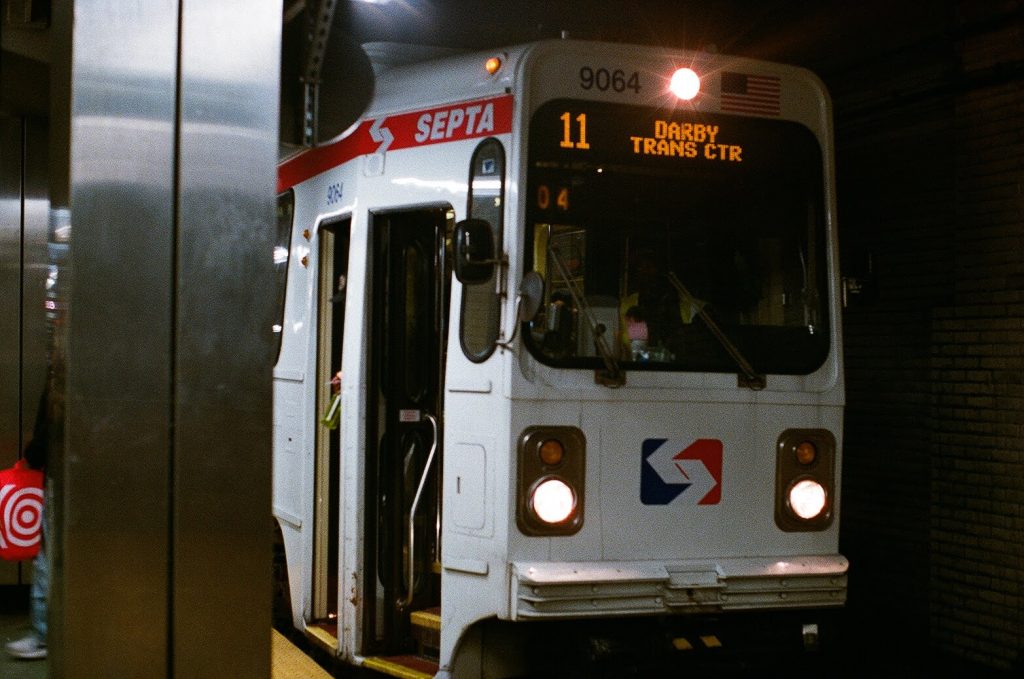
SEPTA allows people to get to school, pursue a GED, look for work, shop at supermarkets that offer produce and non-processed food, go to their houses of worship, take care of friends and family, and just live.
The councilmember is trying to establish a Transit Access Fund. If passed, the bill he introduced would amend Philadelphia’s Home Rule Charter. The ballot question would be: Shall the Philadelphia Home Rule Charter be amended to provide for a mandatory annual appropriation for the Transit Access Fund?
If passed, the bill would set aside 0.5% of Philadelphia’s general fund as a Transit Access Fund. That money would be used to fund the Zero Fare initiative, which provides free SEPTA passes to low-income residents.
Residents with incomes at or below 150% of the federal poverty threshold — currently $15,650 for a single person and $32,150 for a family of four — could qualify. If enacted, a Transit Access Fund would generate an estimated $34 million in the 2026-2027 fiscal year. That would generate enough money — between $20 million and $25 million, according to managers of the Zero Fare program — to give free SEPTA passes to 60,000 Philadelphians at or below the federal poverty standard.
Helping 60,000 people ride SEPTA leaves behind 240,000 others experiencing poverty. It does not address the burden of the last two fare hikes — totaling 30% — on low-income workers or those with medical expenses for themselves or loved ones.
No doubt there will be those who say Philadelphia can not afford to help people ride SEPTA. In terms of what is proposed, it would take over 15 years of funding rides to equal the amount the city gave wealthy team owners to build stadiums. Philadelphia contributed $304 million total toward the construction of the two stadiums. Philadelphia pays a $10.37 million annual operations and maintenance grant to the Eagles, and $25.05 million to pay bonds used to build the stadiums. Millions more are made available to the wealthy through Pennsylvania Industrial Development Corporation (PIDC) grants and subsidized business loans. PIDC is Philadelphia’s public-private economic development corporation. It is a nonprofit joint venture between the City of Philadelphia and the Greater Philadelphia Chamber of Commerce, founded in 1958. And of course, the City offers tens of millions in tax breaks to developers.
Councilmember O’Rourke’s bill does not address how the Mayor and City Council, with the support of every member of the Philadelphia Delegation except Senator Vincent Hughes, looked away as SEPTA raised fares by 30% over 12 months. If the charter change passes, 60,000 SEPTA riders will get some relief, but the other 300,000 riders will have to wait for the Mayor and the Philadelphia Delegation to care about what people pay to ride SEPTA. But it does address the obvious: how can unemployed people looking for work afford to ride SEPTA?
If the Hall Monitor weren’t here to write these stories, you wouldn’t see a comparison between the proposed Transit Access Fund and how much we give to wealthy stadium owners, developers, and businesses. If the City can provide the art museum millions, we should be able to help low-income people view the great works of art, or at least the Rocky statue. Please consider supporting Hall Monitor. We are not asking you to send lawyers or guns, just money.
Our reporters sit through hours of city council meetings, dig through piles of documents, and ask tough questions other media overlook. Because we’re committed to addressing Philadelphia’s poverty crisis — and challenging those who sustain it. If you think this work is important too, please support our journalism.
We’re counting on readers like you.