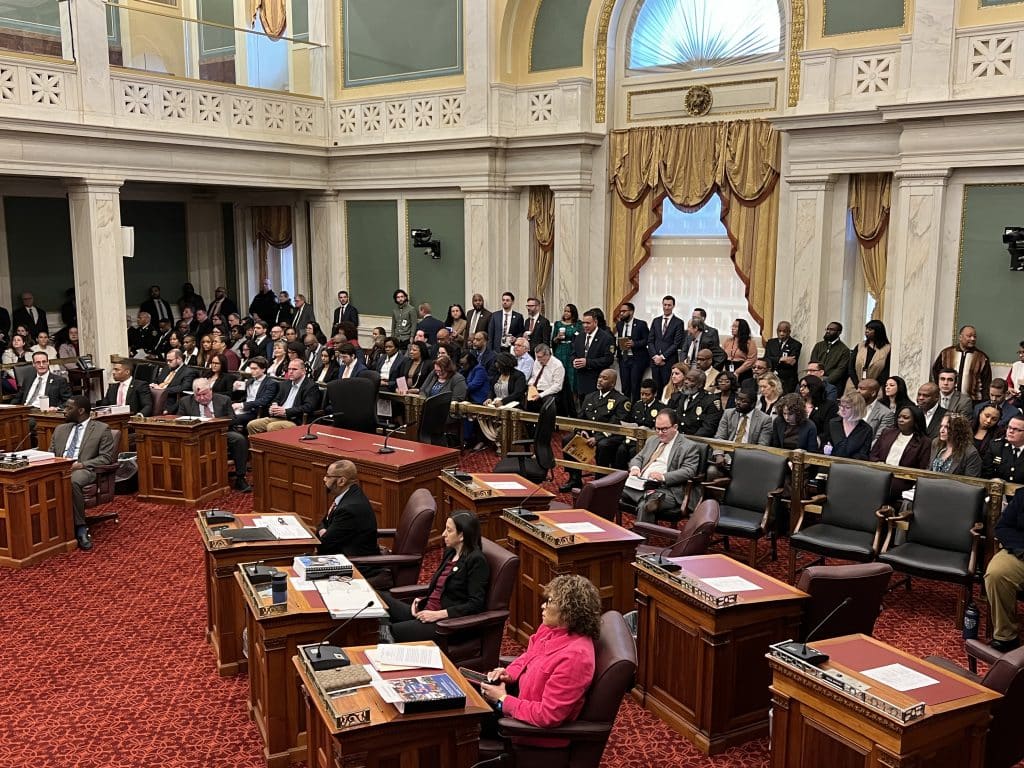
The first week of City Council’s budget hearings offered big promises from the Administration, but little in the way of concrete details regarding triage centers, one of the largest pieces of Mayor Parker’s Kensington policy.
Despite repeated inquiries from various members of council, the Administration could not answer basic questions about the centers, including how many would be built, where they would be built, what services they would provide, and the basic philosophy behind their implementation. However, Managing Director Adam Thiel said the first center could be open in a matter of weeks.
This drew the incredulity of several members of council, including Councilmember Jay Young, who was pointed in his questioning of this timeline.
“The administration is asking us to write them a $100 million blank check, and there are no details associated with this particular program,” Young said.
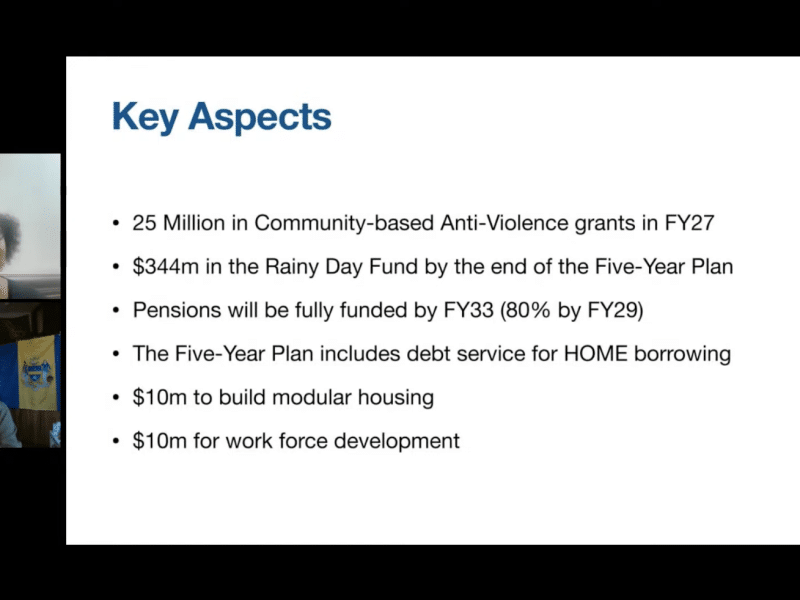
Other concerns focused on the dwindling fund balance at the end of the proposed Five-Year Plan, which would see the city with only $14 million left after meeting its obligations. Essentially, the city would go from it’s largest ever fund balance to one of its smallest in recent memory in only six years.
Councilmember Isaiah Thomas, one of the chief proponents of last year’s cuts to the wage and business taxes, lamented the lack of projected economic growth in the plan, and criticized Administration officials who had previously advocated for the cuts.
With no tax cuts proposed in the FY2025 budget, Thomas said he was concerned the Administration was reversing course on the previous administration’s plan to bring new investment into the city.
“As I’m sitting and listening to the responses to these questions, while simultaneously reading your budget proposal, I think I’m getting a conflicting message,” Thomas said.
The tax cuts enacted by council last year removed roughly $30 million from the budget, and saved the average Philadelphian about $21 annually in wage taxes. Larger businesses making over $1,000,000 per year saw a Business Tax saving of about $1800.
The Adminstration has said they are waiting to see the report prepared by the recently reactivated Tax Commission before making changes to the city’s tax rates, outside of the millage change raising the school distrcit’s share of the property tax from 55% to 56%.
Fast Facts
75% of eligible homeowners receive some sort of property tax or other assistance from the city
Only 7% of the property tax comes from office space
Only 15% of the property tax come from non-residential space
Only 7% of city apartments are inspected per year
Only 1 out of the top 10 employers in Philadelphia pay property tax (Comcast). The others are designated as non-profits.
The Pension Board currently manages $4.2 billion in assets, and will be fully funded by 2033.
67,000 properties in Philadelphia are delinquent on taxes. The Administration did not have a total number for back taxes owed to the city.
The Mayor’s budget calls for $850 million in new investments and $1.2 billion in capital investments.
The city plans to add 218 new police officers this year, with a goal of 400 per year hereafter.
The remaining $419 million of American Recovery Plan funds will be spent down this year. The funds are spread throughout various departments to fill budget holes created by pandemic losses.
43% of the $6.3 billion operating budget comes from the wage tax. The real estate tax accounts for 19%, and the business tax is 15%. Other taxes collectively account for the remainder.
The resident wage tax is 3.75%, while the non-resident wage tax is 3.44%.
The city currently has 27,924 employees
The city will see a reduction in about $300 million of spending over the life of the Five-Year Plan due to a projected reduction in wage and business taxes.
Fund balances by year in the Five-Year Plan:
- 2025: $486.2 million
- 2026: $247.3 million
- 2027: $55.5 million
- 2028: $23.8 million
- 2029: $14.4 million
Our reporters sit through hours of city council meetings, dig through piles of documents, and ask tough questions other media overlook. Because we’re committed to addressing Philadelphia’s poverty crisis — and challenging those who sustain it. If you think this work is important too, please support our journalism.
We’re counting on readers like you.