Among the things included in Pennsylvania’s far too tardy budget is a provision that would allow Philadelphia to exempt office buildings converted to housing from property taxes for up to 20 years. As long as it benefits homeowners too, I’m good.

For most Philadelphians, the phrase “tax abatement” makes our hair stand on end.
That’s because in spite of the fact that Philadelphia has basically become the 6th Borough of New York City thanks to the myriad of luxury apartment buildings that have gone up along Broad Street and other places, the owners pay no taxes for 10 years.
Considering that you won’t be able to live in one of those buildings for less than $2,500, — and that’s for a studio in most cases — the taxes that these buildings generate could pay for several new teachers, some counselors, some school nurses, heck, you could even get a new building or two out of those school taxes.
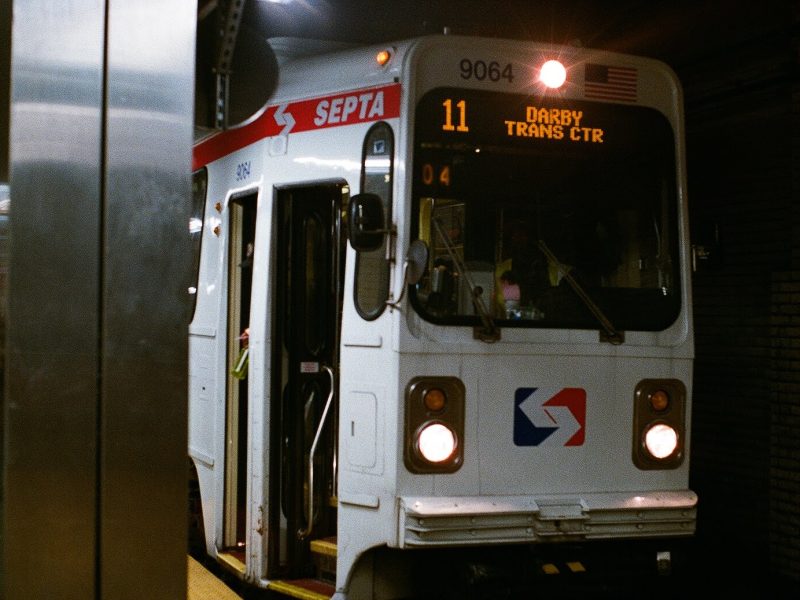
And don’t even get me started on what the city itself could have gotten. Philly could have put a serious dent in its poverty rate and given SEPTA enough money to keep the anti-public transportation forces in Harrisburg from having the region over a barrel every year.
It made sense at the time. Former Mayor John Street was trying to get people to invest in Philadelphia at a time when folks didn’t think the city was a good investment. But if we’re honest with ourselves, it hasn’t made sense for the city in years. It’s made sense for developers, but not for residents.
(It could have made more sense for residents had they known it could. I’ll get into that in a minute.)
So, the prospect of adding a 20-year abatement to allow developers to convert things like office buildings and schools into residential housing has made folks ears perk up.
The 20-year-tax abatement was passed as part of the more than a little tardy state budget a couple of weeks ago.
Under this plan, Philly would be allowed to give the tax break to developers that want to turn buildings currently not in use in places deemed “deteriorating areas” into places where people can live. If the buildings are in such bad shape that they can’t be converted, the developer gets the tax break if he or she decides to tear the building down and build residential housing, according to the legislation.
Right now, Philadelphia City Council is considering the part of Mayor Cherelle Parker’s Housing Opportunities Made Easy, or H.O.M.E plan. The whole idea behind this plan is to create more housing in a city that really needs it. So, a 20-year-tax abatement could go a long way toward making this first $200 million stretch.
It could also give folks who like to use abandoned buildings for nefarious purposes less space to work with. Councilmember Cindy Bass sent a letter to School District of Philadelphia Superintendent Tony Wadlington asking for the Ada H.H. Lewis Middle School in East Germantown to be torn down following the discovery of Kada Scott’s body there. Maybe this plan can make whoever owns this building can get rid of something that I’m pretty sure is a source of pain in the neighborhood.
But if developers are going to get a break via a tax abatement like this, I’m hoping that City Council makes it applicable to Philadelphians that might want to fix their roofs, add a room to care for an incapacitated loved one or add a ramp to their house for a loved one with mobility issues.
Because you see, what a lot of people don’t know, and were never told for reasons that I can’t wrap my head around, is that all of the repairs that I mentioned above are permissible under the 10-year-tax abatement. It may not be as big a discount as it would be for the multimillion-dollar investor, but when it comes to impact, it’s probably greater. Not having to put buckets under a leaking roof or giving loved ones in need dignity by giving them a place of their own to recover or an assist to their mobility is priceless.
Now do I think that Philadelphia in some ways has become so “business friendly” that it’s “people unfriendly”? Yeah. Do I think that people that are going to profit and profit mightily from building housing that will probably be so far away from affordable that it doesn’t come close to fulfilling the city’s need for that kind of housing? Yeah.
But would my disdain for something like a 20-year-tax abatement and the lack of tax ratables for schools and public transportation be lessened if homeowners in Philadelphia were able to take advantage of it? Yeah, on that too.
There’s no word on when or if Council will be taking this up. But my hope is that they put the necessary guardrails on this tax abatement. Someone needs to.
Especially since the phrase “deteriorating area” is usually an invitation to gentrification.
Our reporters sit through hours of city council meetings, dig through piles of documents, and ask tough questions other media overlook. Because we’re committed to addressing Philadelphia’s poverty crisis — and challenging those who sustain it. If you think this work is important too, please support our journalism.
We’re counting on readers like you.