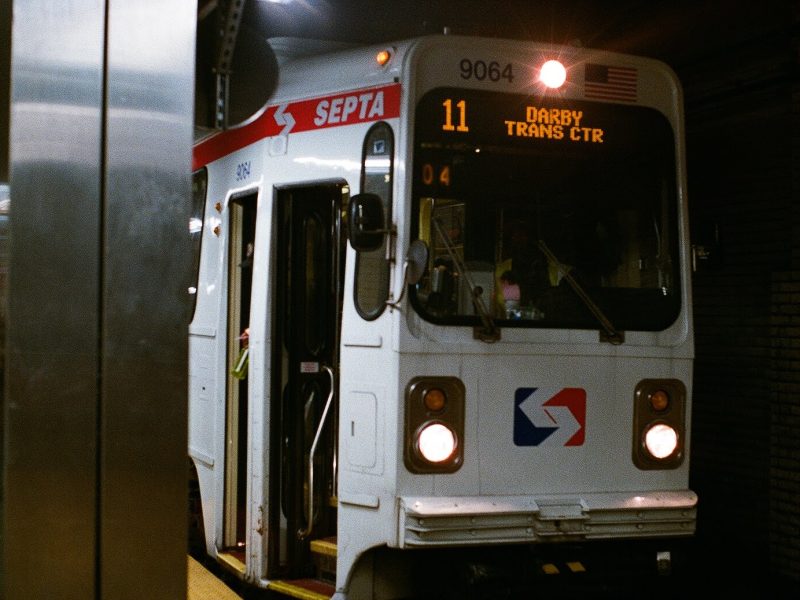
Fourteen years ago, SEPTA announced it contracted with Conduent Inc. to create a “Key Card” to replace tokens. The card would allow riders to use it as a debit card to pay for rides. The card was designed to have money placed in an account, which the card can access at different locations and kiosks located at SEPTA stations. Conduent was two years late developing the system. It was supposed to cost $122 million, it did not. SEPTA has paid at least $263 million, $141 million more than agreed upon, twice the original contracted amount.
From the beginning, the Key Card never operated well. The “kiosks” riders were supposed to use were hard to understand. And they were only in English. It was so bad SEPTA had to hire people to stand next to the machines and show riders how to use them. Many locations listed as places riders could put money on the key card didn’t offer the service. Some that did, charged for it.
The card readers, which never told a rider how much money was left on the card, failed repeatedly. Since its beginning, the Key Card has cost SEPTA an untold amount in lost revenues.
Despite being paid more and more money, SEPTA’s contractor was never able to solve the problem completely. There are still glitches. This past December, 12 years after the system was installed, the cards failed, and SEPTA was unable to charge for the rides. SEPTA had no estimate of how much money it lost.
Two years ago, as the Key Card continued to fail, SEPTA hired another contractor to conduct a rider survey asking what riders wanted in a Key Card 2.0.
“Through public engagement efforts – the project team heard the most prioritized features/policies would include the following:
✔️ Cheaper Initial Cost – Riders want to buy a SEPTA Key card at a lower price.
✔️ Fare Capping – Riders want a fare policy that allows them to pay as you go and provides free rides after you reach the cost of a daily/weekly/monthly pass.
✔️ Multi-Rider Feature – Riders want SEPTA Key 2.0 to include a feature that allows multiple people to use the same card when riding together.
✔️ See Card Balance Upon Use – Riders want to see their exact account balance upon immediate use.
✔️ Use SEPTA Key for Other Systems – Riders want their SEPTA Key card to work on other transit systems such as Amtrak, NJ Transit, PATCO, Indigo, Uber/Lyft, and/or DART
✔️ Use a Smartphone to Ride – Riders want to tap their smartphone at a reader using Google Pay, Apple Pay, or other applications.”
It is unclear if any of the requests in the consultant’s survey will be included in Key Card 2.0. Nor is it known if the new system will be required to create a way for those experiencing deep poverty, who cannot afford to preload a card, to get a free transfer as those who have the money to place on the key card do.
We don’t know if the new contractor will be required to purchase a performance bond to protect SEPTA against the type of problems the first contractor experienced. We also don’t know if SEPTA contacted other Public Transit agencies to see if sharing a “Key Card” type system would be more cost-effective. Hall Monitor is awaiting SEPTA’s answers to these questions.
There was no report by SEPTA’s staff on what led to the failures of the Key Card system and why it cannot be updated. Only some vague sound bites suggest that because you are not using the same phone you used 14 years ago, SEPTA cannot use the same Key Card system.
SEPTA’s explanation of why it must spend over $200 million on a new system now makes some sense until one listens to the rest of the SEPTA board meeting.
The SEPTA Board President and the acting General Manager said SEPTA did not have adequate funds to proceed. The acting GM is having his staff prepare a budget that would include massive fare hikes and devastating service cuts. “SEPTA was not going to project a budget based on hope but on the reality of its finances.”
This raises the question of how SEPTA will pay for a new system. If SEPTA cannot afford to operate the system, how can it find $211 million to pay a consultant to develop a new key card system?
Over the next few months, SEPTA will attempt to hold riders hostage by saying it doesn’t have enough money to continue operating. It will project massive fare hikes and devastating service cuts to speak to the Governor and the State legislature: Unless you give us the funding needed, here is what we will do to the riders.
That strategy didn’t get the legislature to pass the dedicated funding Pennsylvania’s public transit systems needed two years ago or last year. Has the Trump presidency made it more likely that the PA legislature will support Public Transit this year? Is that why SEPTA has not changed its strategy?
Our reporters sit through hours of city council meetings, dig through piles of documents, and ask tough questions other media overlook. Because we’re committed to addressing Philadelphia’s poverty crisis — and challenging those who sustain it. If you think this work is important too, please support our journalism.
We’re counting on readers like you.